
MESSAGE
If you have any questions, please contact us and we will contact you as soon as possible.
‹
›
‹
›
◉ PRODUCT SPECIFICATION
structure
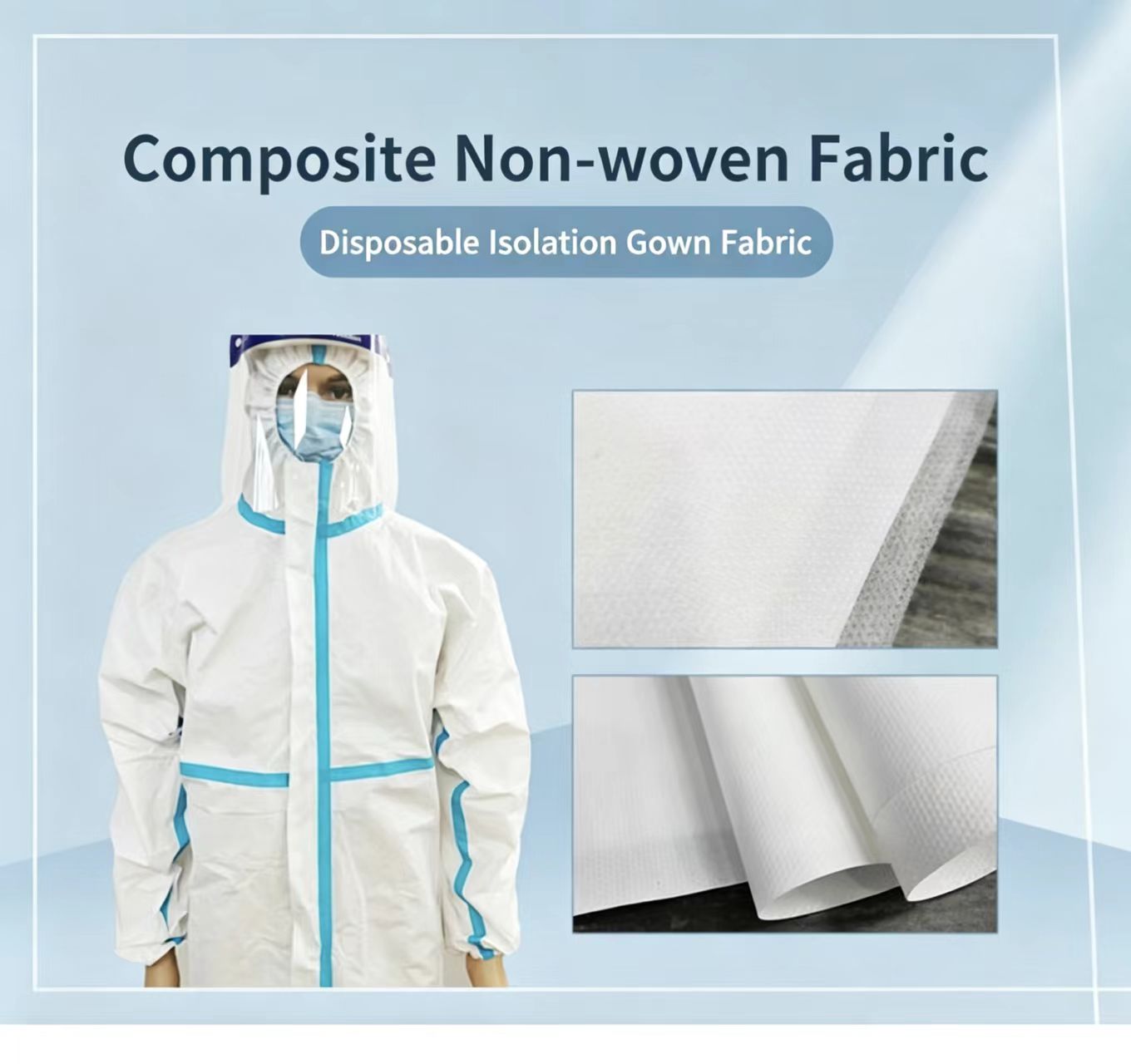
The structure of the sterile coverall consists of a hat, a top, and pants, forming a three-piece set. In response to the needs of pharmaceutical companies and laboratories, disposable cleanroom clothing is provided with an additional pair of high-top boot covers and a sterile mask in each package, based on the three-piece set.
Material
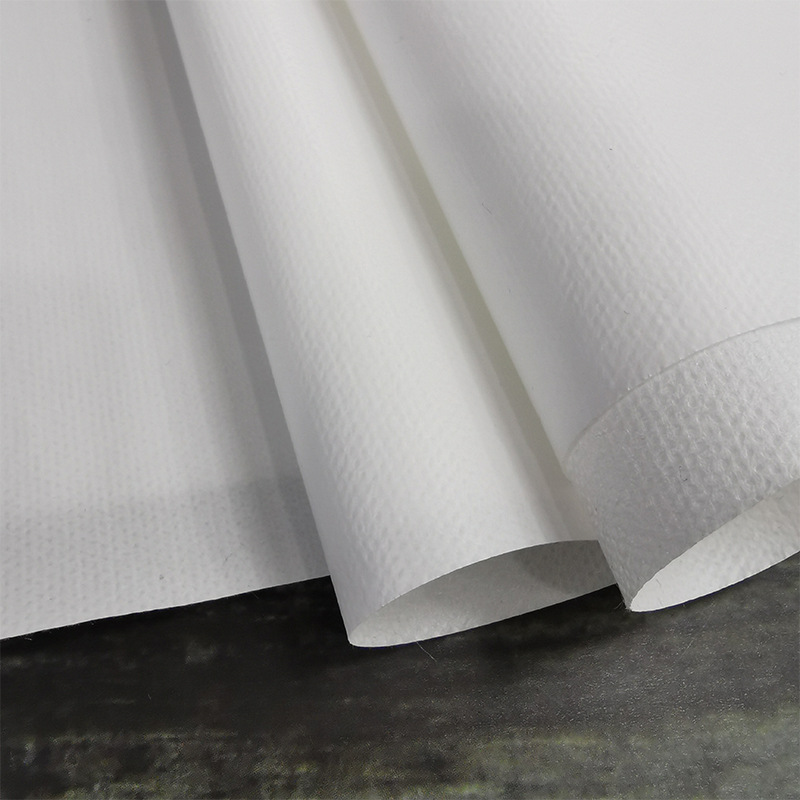
Common fabrics for sterile one-piece protective suits include 35-gram SMS nonwoven fabric and 45-gram SMS nonwoven fabric. They are usually available in blue and white, but can also be customized in other colors. All disposable cleanroom suits produced by our company use 45-gram SMS blue nonwoven fabric. Due to its dense texture, good tensile strength, waterproof, breathable, and oil-resistant properties, SMS nonwoven fabric is highly suitable for use in laboratories and other contaminated work environments. Compared to ordinary nonwoven fabric, 45-gram SMS nonwoven fabric is of better quality than 60-gram ordinary nonwoven fabric.
[Packaging]
Each disposable clean suit is individually packaged in a thickened vacuum-sealed manner and sterilized with ethylene oxide. Each package includes a certificate label indicating the production date. For design purposes, each set of clothes also incorporates a sterilization label. To best meet the requirements of pharmaceutical companies and experimental sites, we have affixed a color-changing sterile label on the front of the packaging bag. The label is pink before sterilization and automatically turns blue after sterilization is complete. This ensures that each disposable coverall meets the sterility standards. The sterilization effect is immediately visible, eliminating any doubts experts may have about the sterilization process and reducing the pressure on the quality control departments of some pharmaceutical companies. Users can rest assured when using them.
[Performance Metrics]
1. Protective clothing should be dry, clean, and free of mold spots. The surface should not exhibit defects such as adhesion, cracks, or holes.
2. For the sealing treatment of needle holes in protective clothing, the stitch length should be 8 to 14 stitches per 3cm, with uniform and straight stitches. The zipper should not be exposed, and the slider should be self-locking.
3. The protective clothing is structured reasonably, easy to put on and take off, with tight joints. The cuffs, ankle openings, hat face opening, and waistband are all elasticized.
4. The hydrostatic pressure of key parts of protective clothing should not be less than 1.67 kPa (17cm H2O), the moisture permeability of the material should not be less than 2500g/(m2·d), the resistance to synthetic blood penetration should not be less than 1.75kPa, and the water staining level on the outer side should not be less than level 3.
5. The breaking strength of the material at key parts of the protective clothing should not be less than 45N, and the elongation at break should not be less than 15%. The filtration efficiency of the material at key parts of the protective clothing and its seams for non-oily particles should not be less than 70%.
6. The electrostatic charge on protective clothing should not exceed 0.6μC per piece.
7. Protective clothing should be sterile after being irradiated and sterilized.
[Instructions for Use]
1. Please check the integrity of the packaging before use, and confirm that the protective suit is free from damage, and is breathable.
2. Putting on and taking off protective clothing should be done in the corresponding designated areas.
3. Unseal and use after washing hands and disinfecting.
4. Put on the pants first, then the shirt, and then put on the hat and zip it up.
5. When wearing, avoid letting the sleeves touch your face or collar.
6. Replace it promptly if any leakage or damage is found.
7. When removing the protective suit, first pull the zipper to the bottom, lift the hat up to detach it from the head, and then remove the sleeves, rolling them down as you take them off.
For the following products, 8.8 refers to the hardness grade of the product model. The steel materials include: galvanized (yellow, white, blackened), and Dacromet for anti-corrosion; the stainless steel materials include: 304, 201, etc. For specific products, please feel free to inquire.
◉ MESSAGE
◉ SIMILAR RECOMMENDED
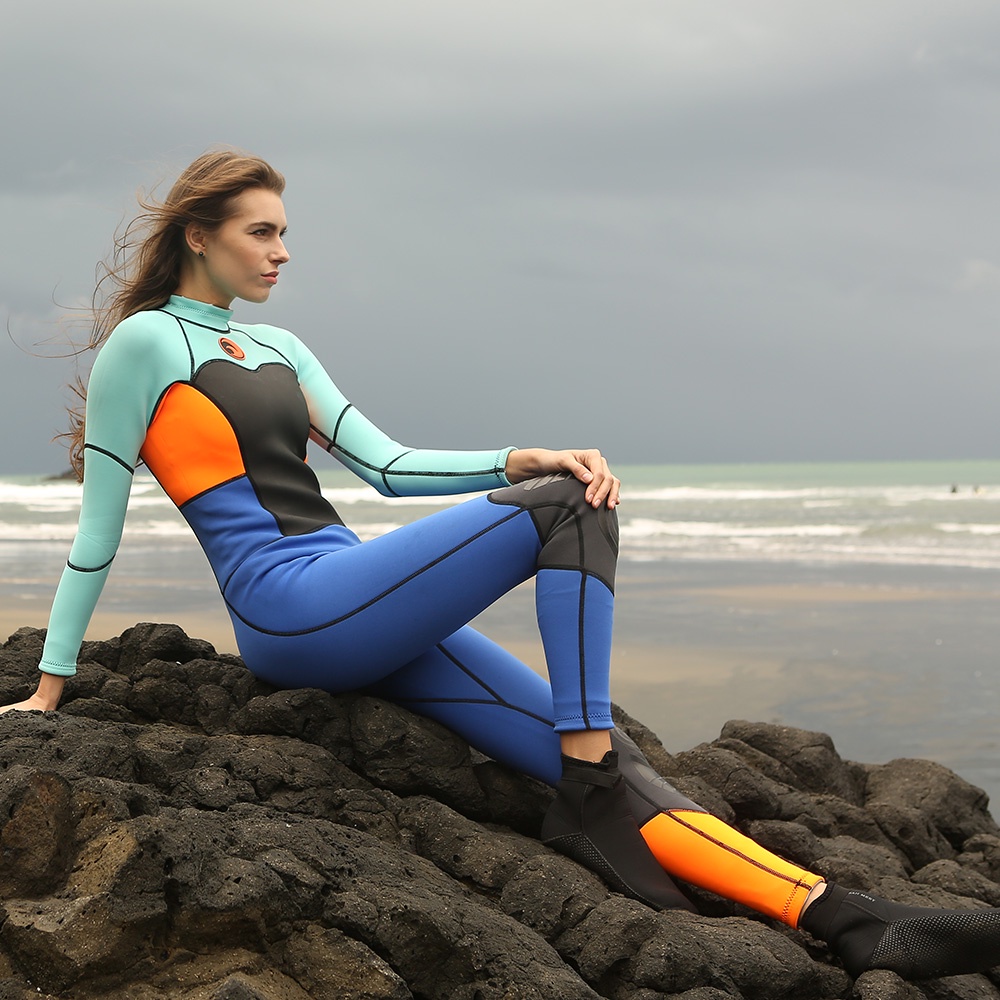
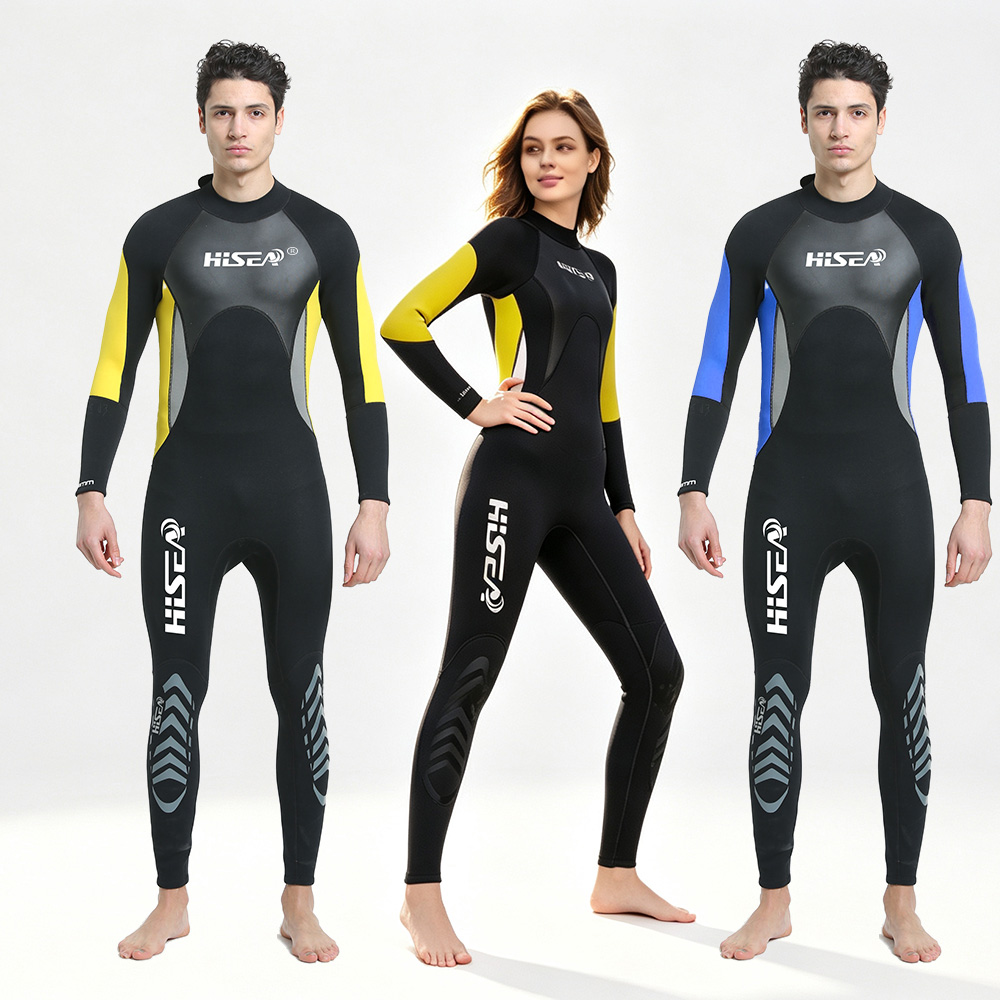
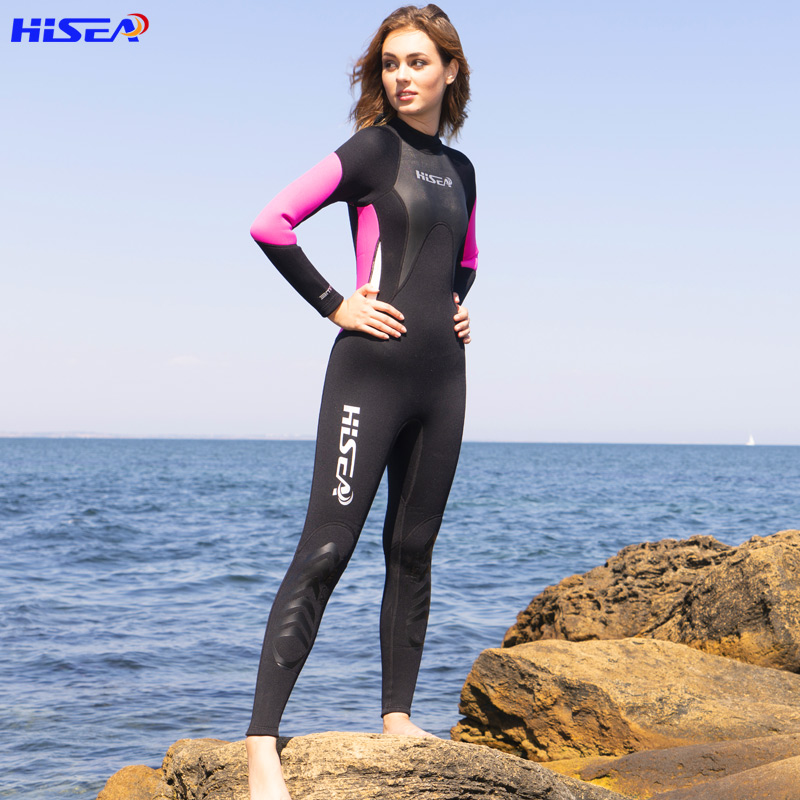
 Women Full Body Freediving Wetsuit, Neoprene Long Sleeve Snorkeling Surfing Suit with Reinforced Knee Pads
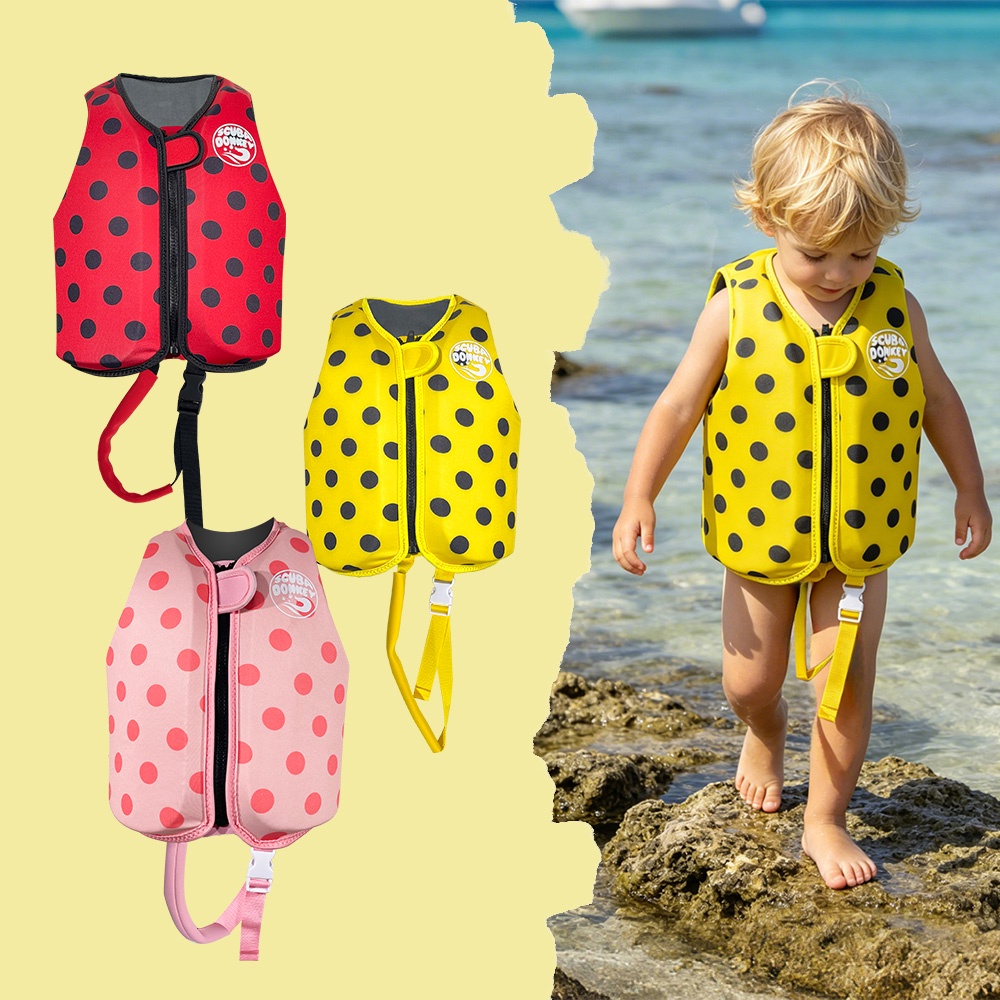
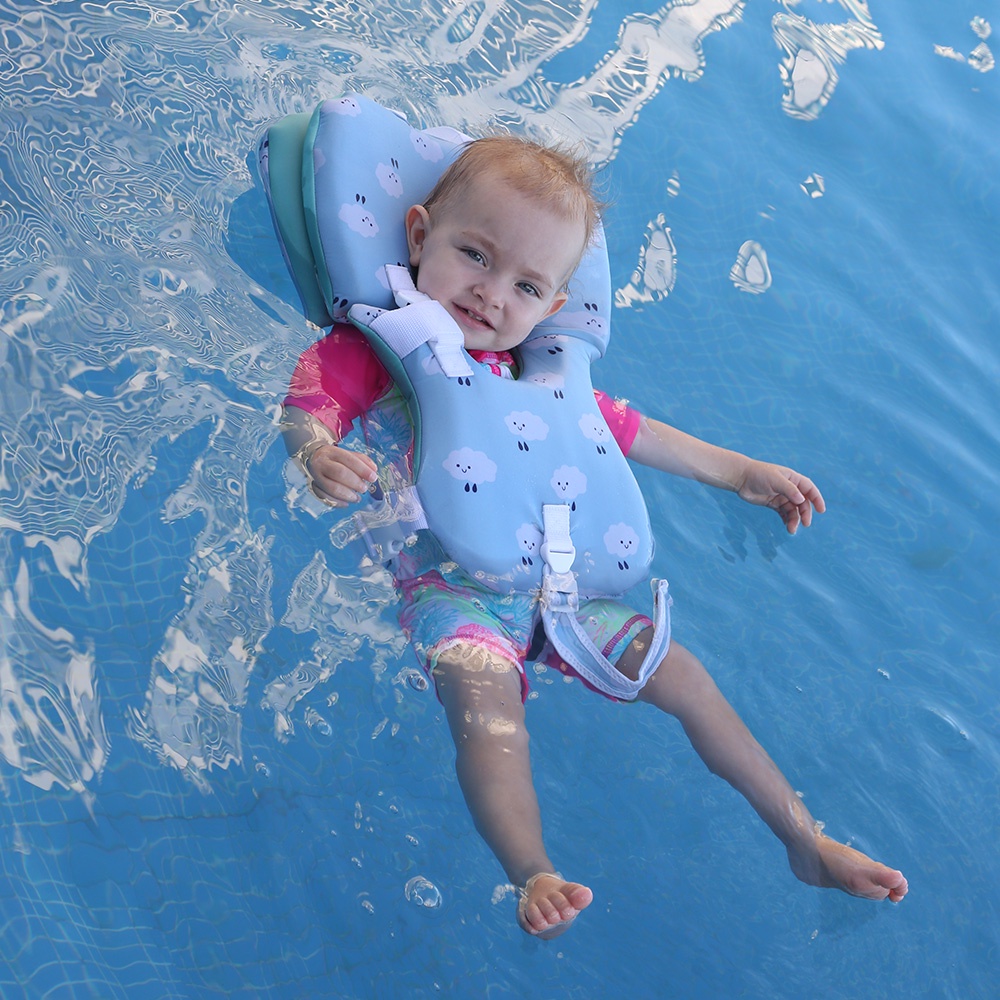
 Toddler Kids Polka Dot Life Vest Child Safety Flotation Jacket for Swimming Beach Pool Water Sports
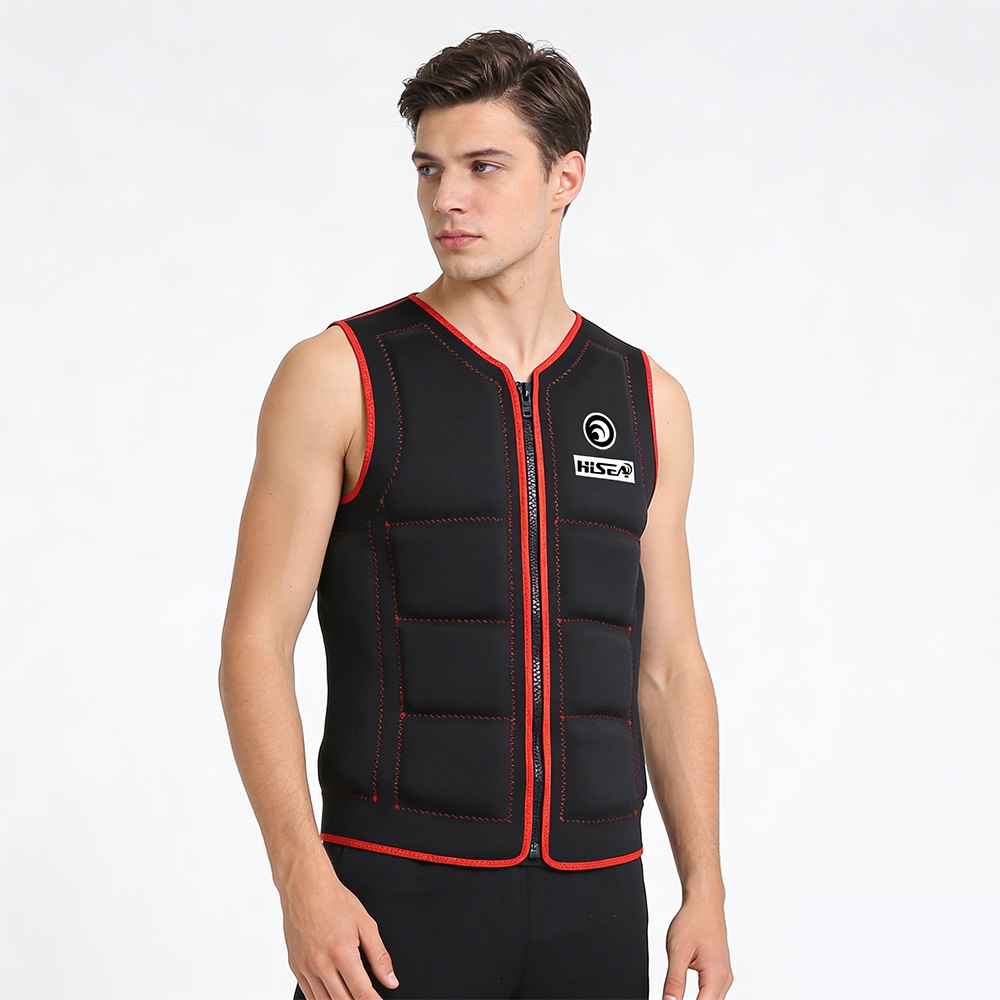
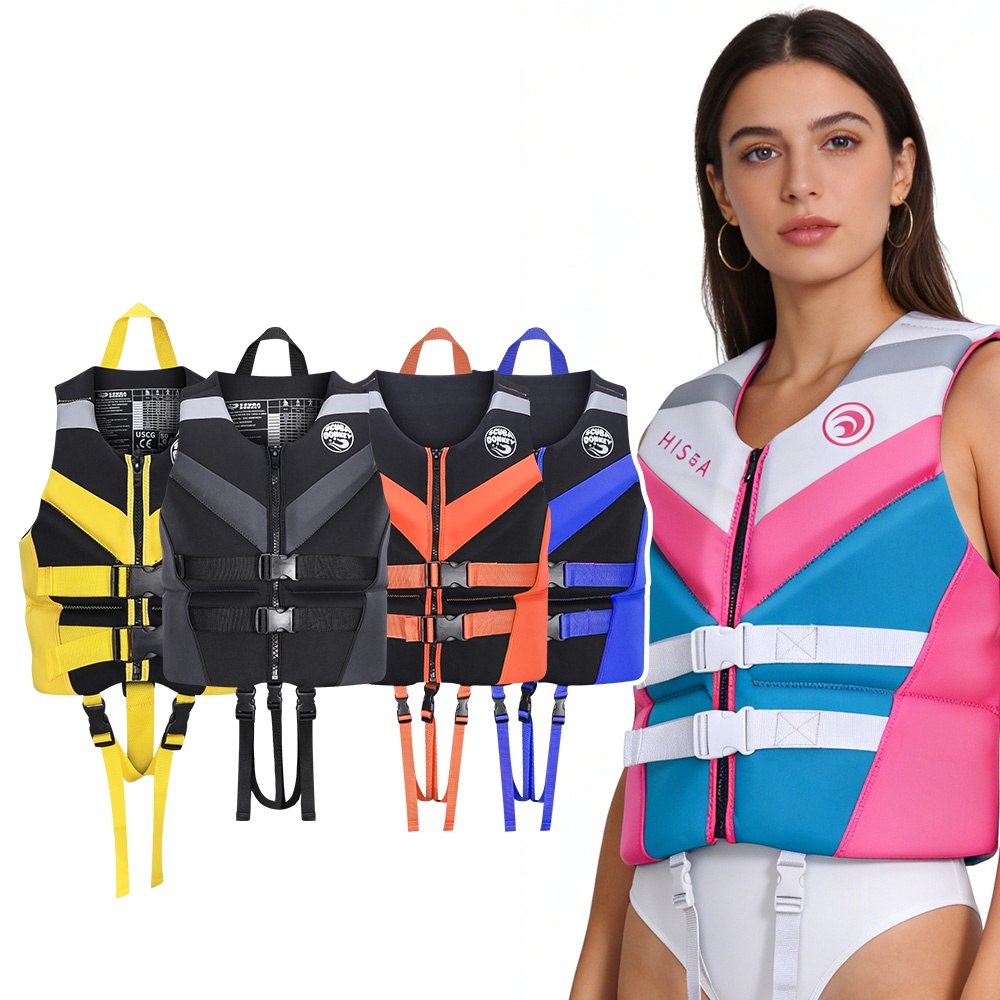
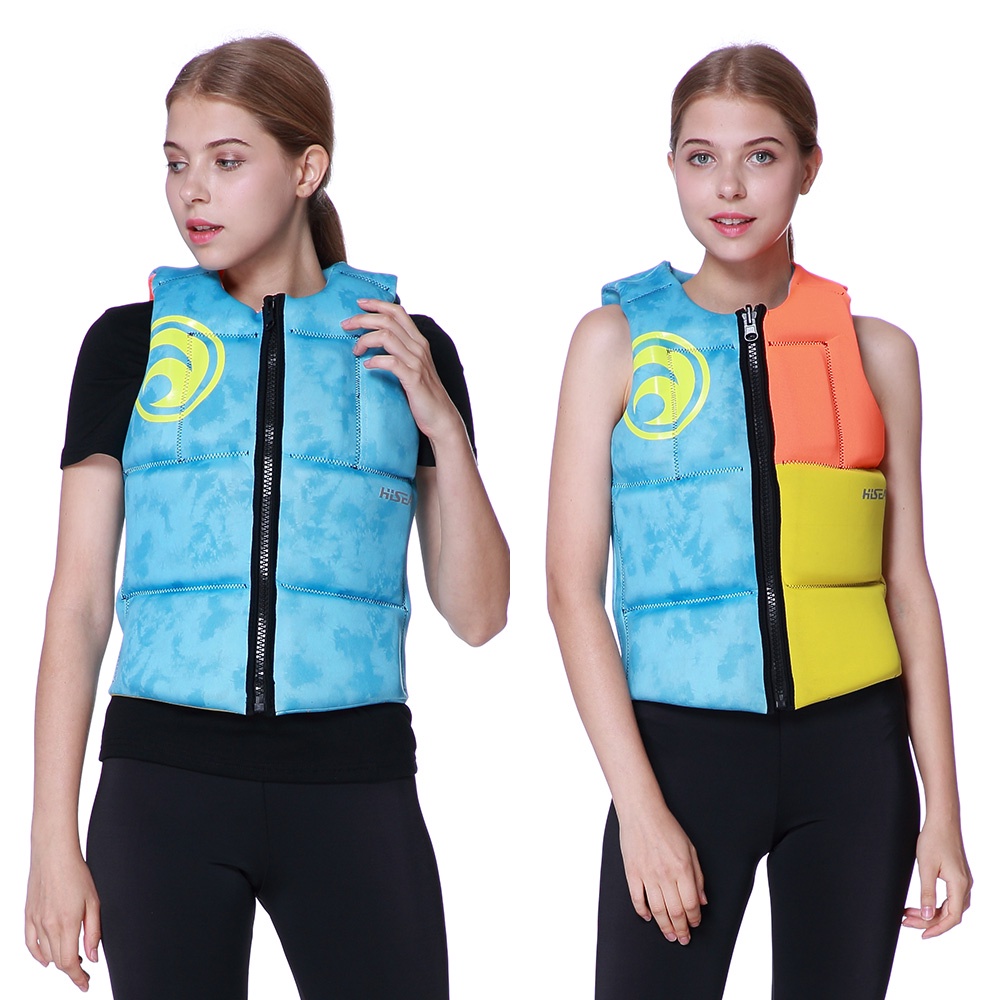
 HISEA Neoprene Life Vest Adult Buoyancy Flotation Jacket for Jet Ski Surfing Rafting Kayaking Water Sports Waterproof Safety Life Jacket
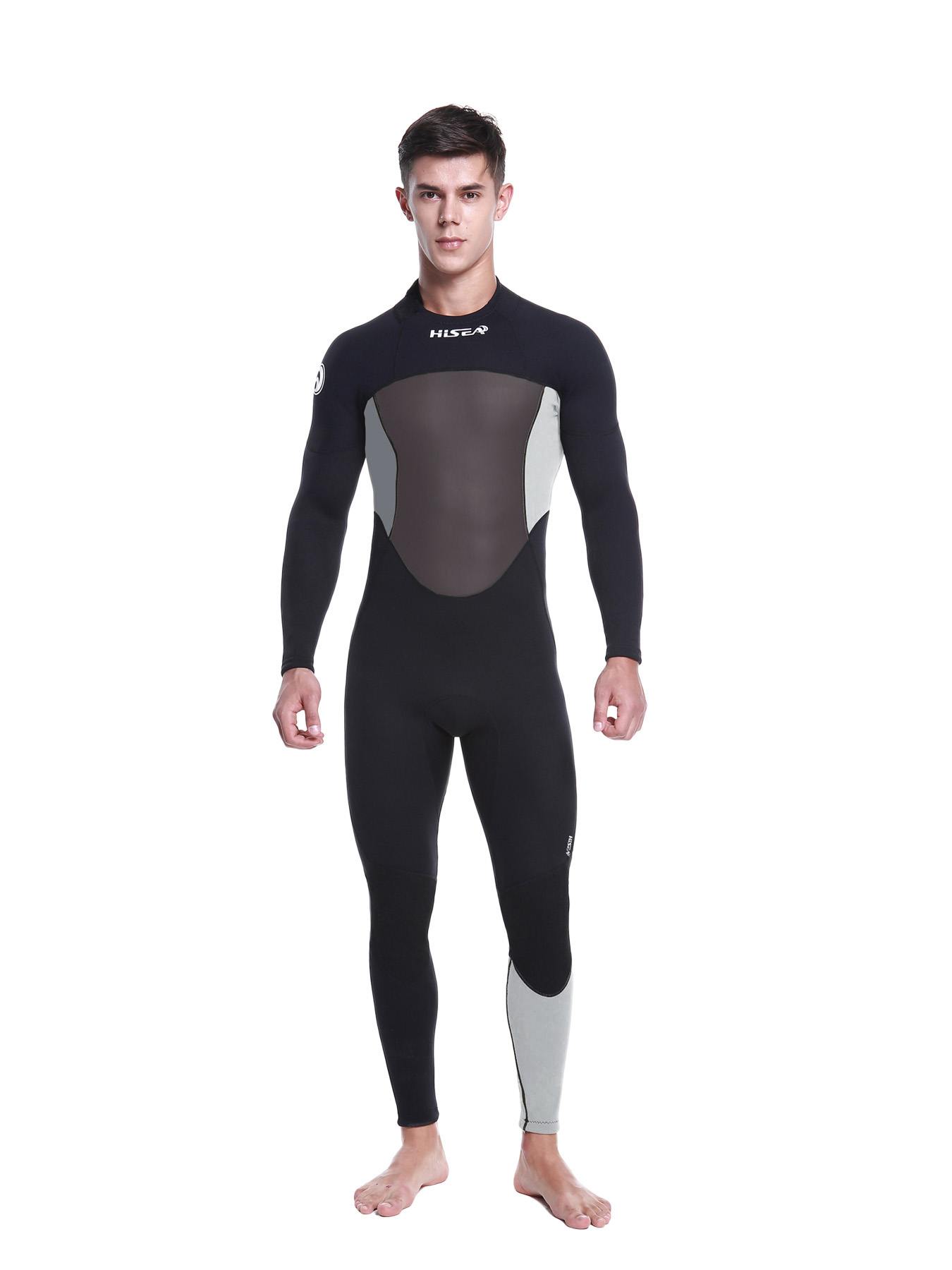
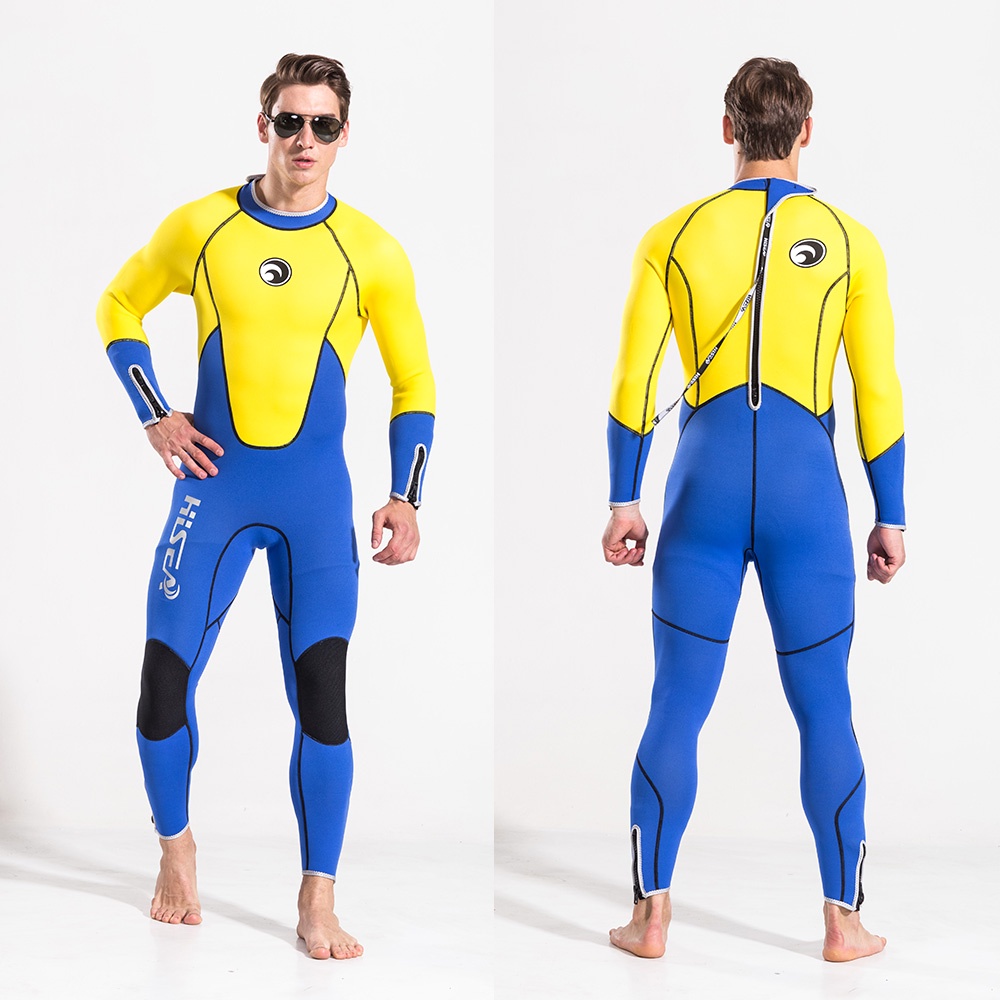
 1.5mm Men’s Full Wetsuit Neoprene Diving & Surfing Suit
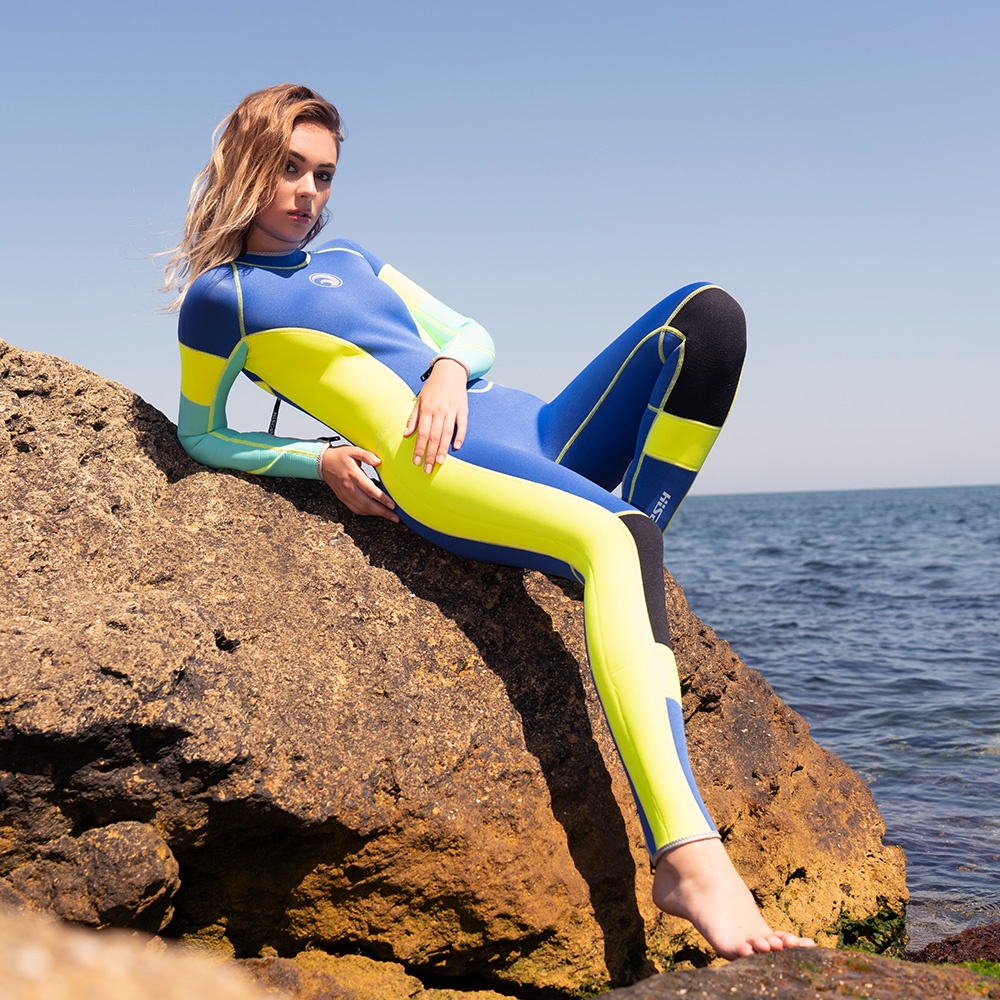
 Women’s Full Wetsuit 3mm Neoprene Diving & Surfing Suit
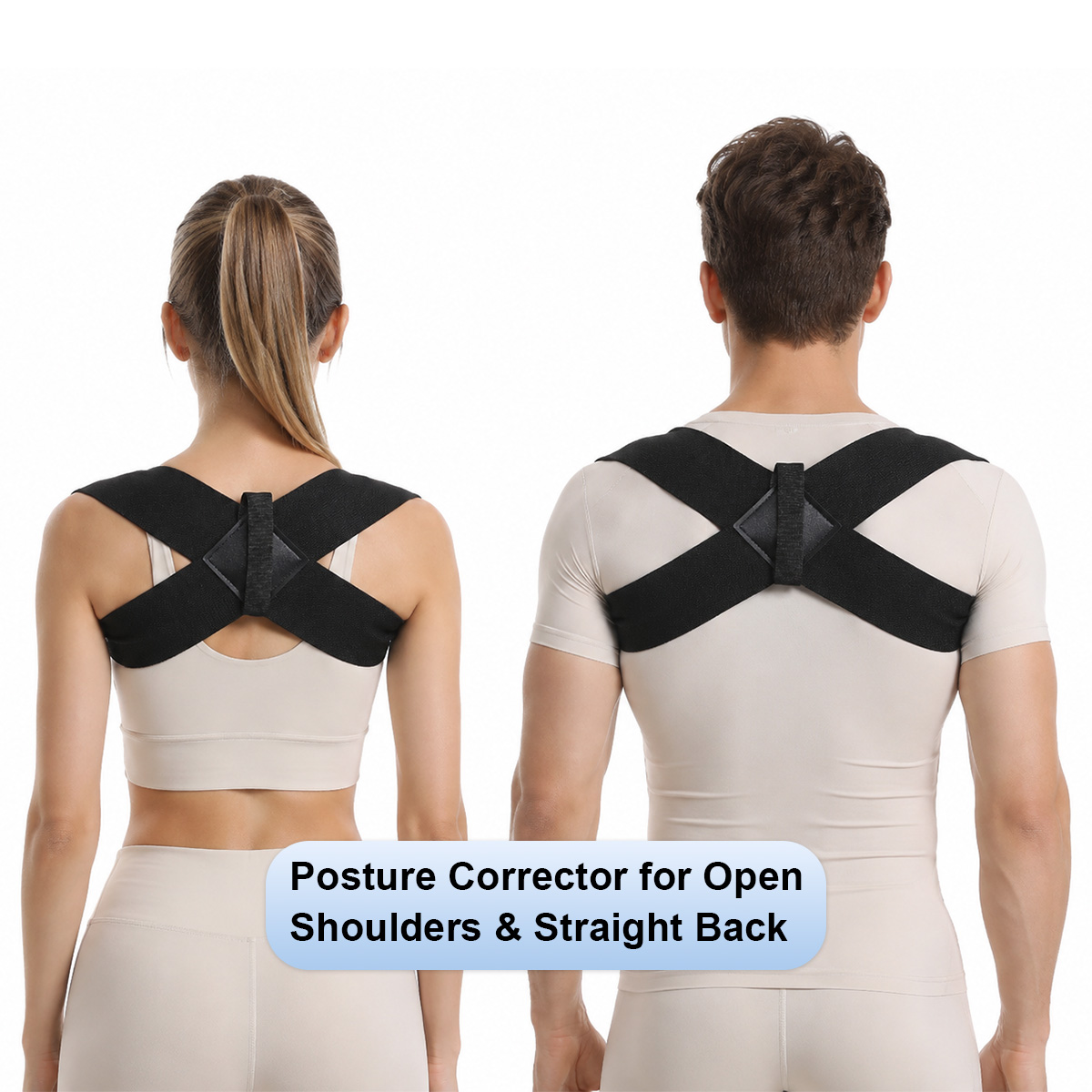
 Adjustable Posture Corrector Strap, Elastic Clavicle Support for Men & Women, One‑Size‑Fits‑Most
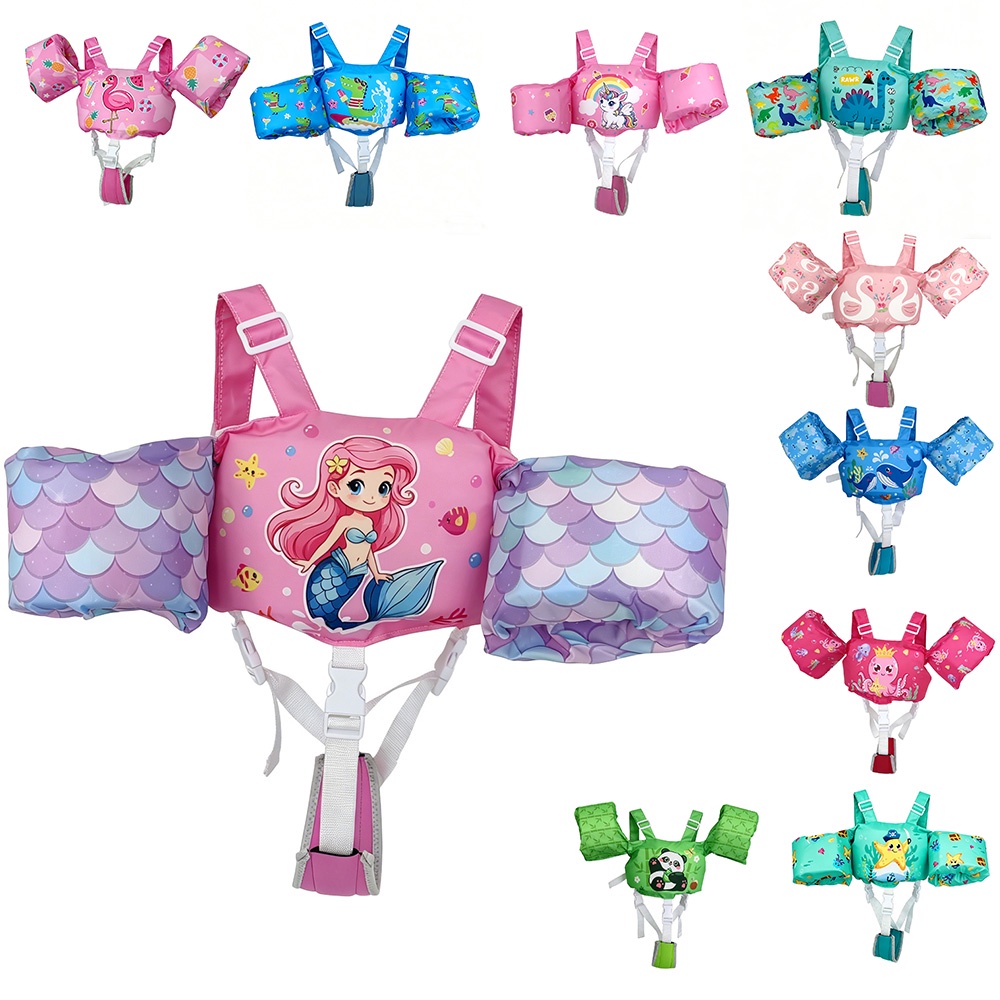
 Toddler Swim Vest Integrated Arm Floaties Adjustable Kids Flotation Vest Cartoon Print for Swimming Pool Beach
 Neoprene Life Vest Adjustable Buckle Safety Life Jacket for Adults Surfing Snorkeling Boating Water Sports
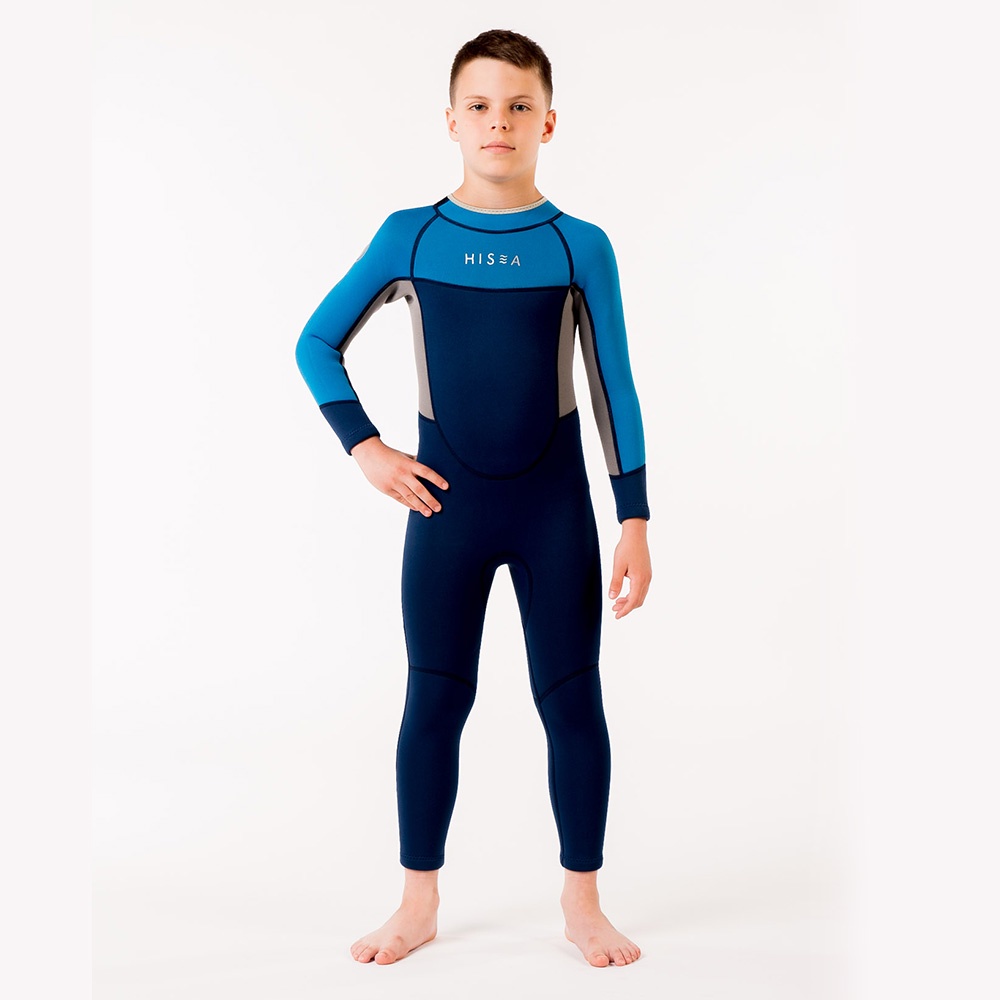
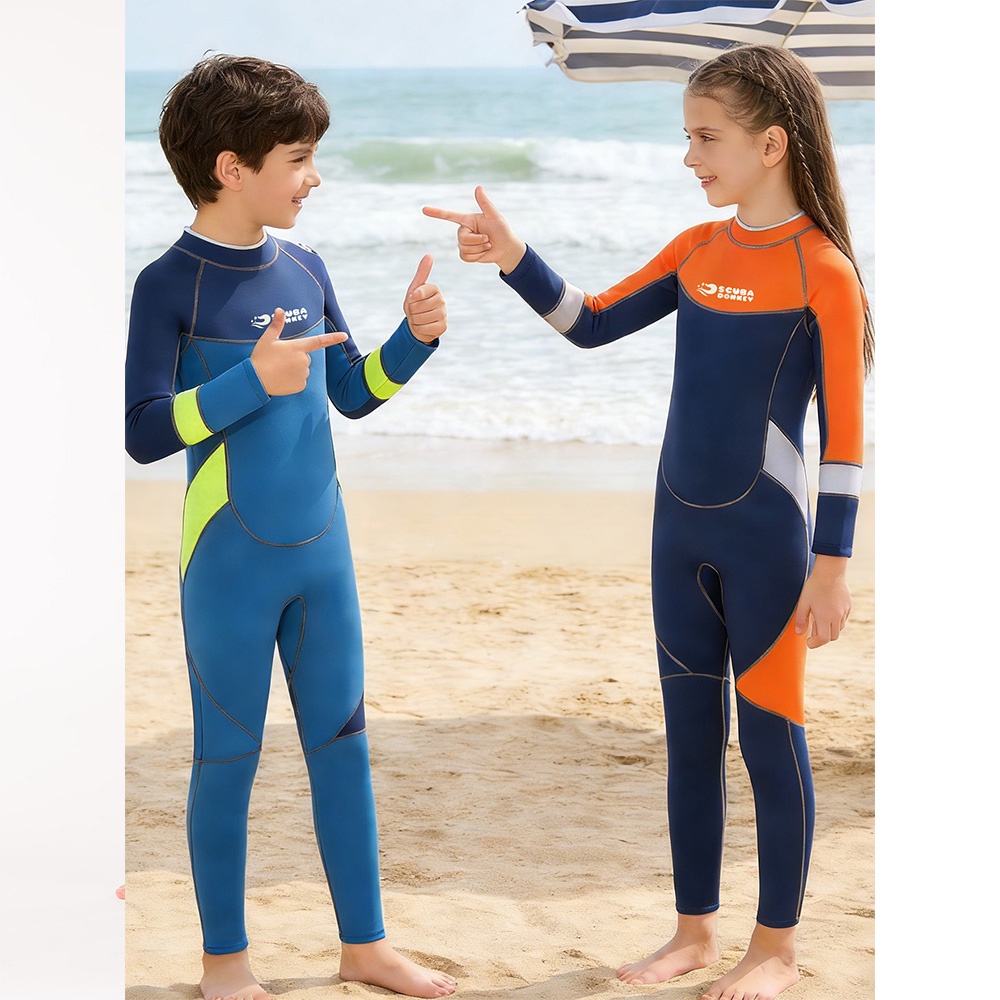
 Kids Full Body Neoprene Wetsuit Boys Long Sleeve One Piece Diving Suit for Surfing Snorkeling Swimming XXS-XL
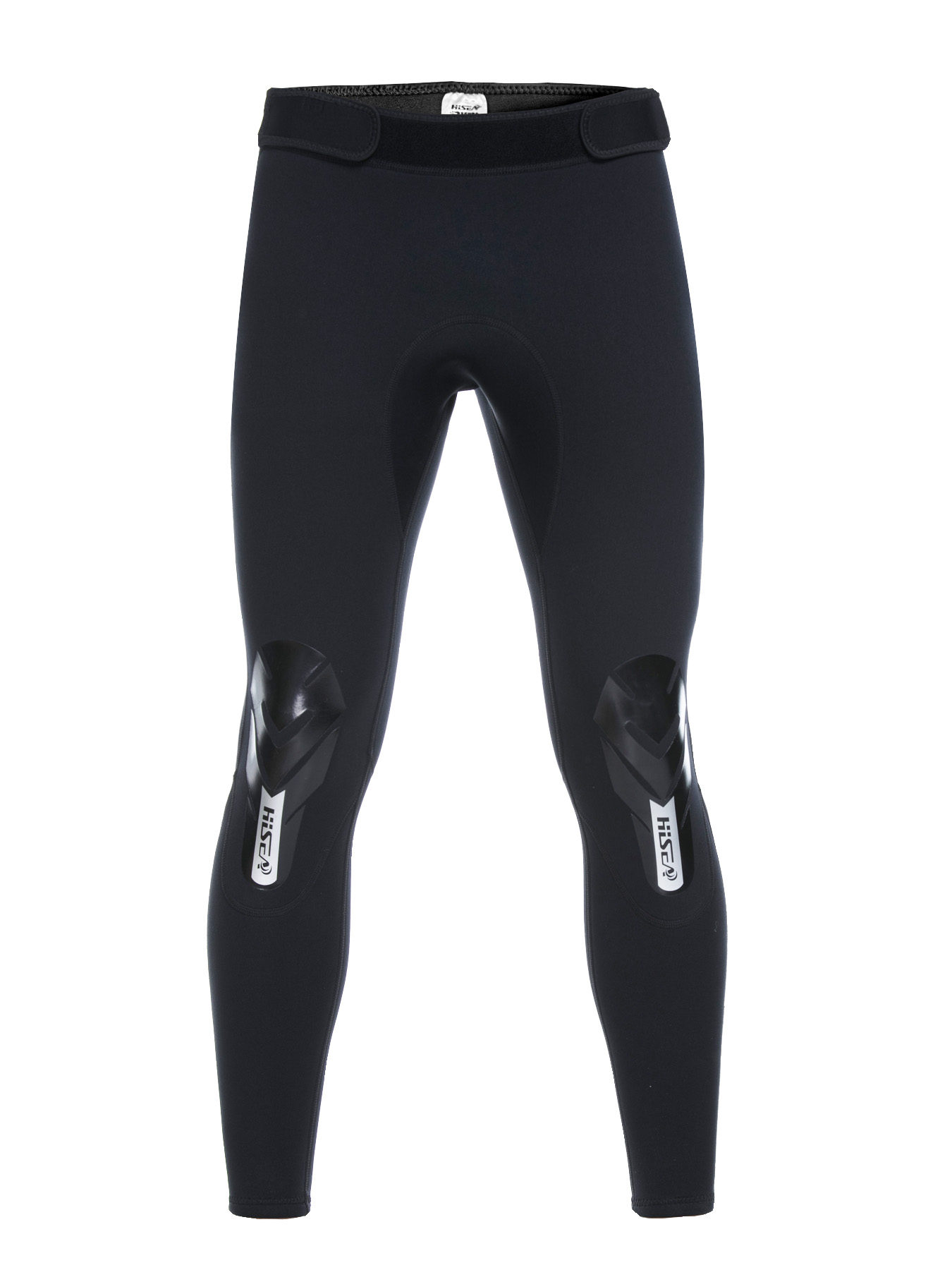
 Men 2.5mm Neoprene Wetsuit Pants Stretch Single Piece Diving Leggings for Surfing Snorkeling Swimming S-XXL
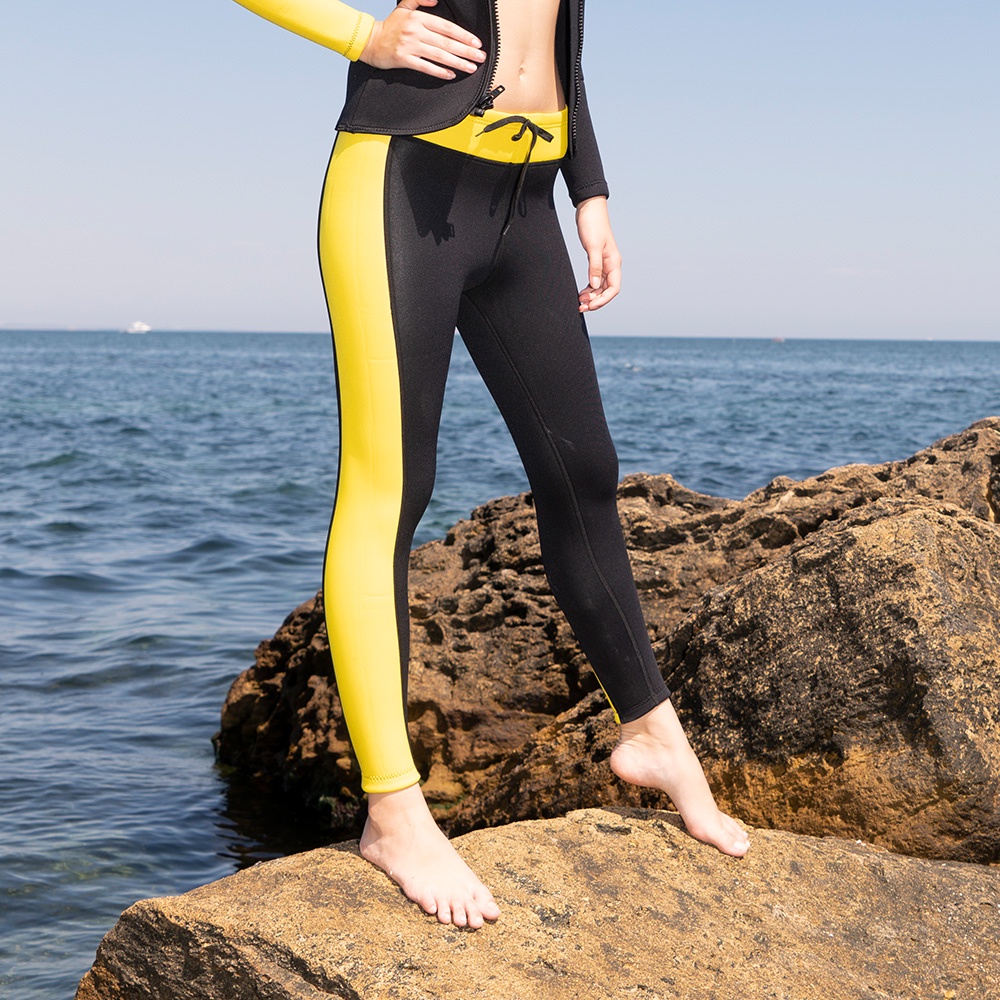
 Women 2.5mm Smooth Skin Neoprene Diving Pants Stretch Wetsuit Leggings Single Piece Swim Trousers for Surf Snorkeling Water Sports XS-XXL
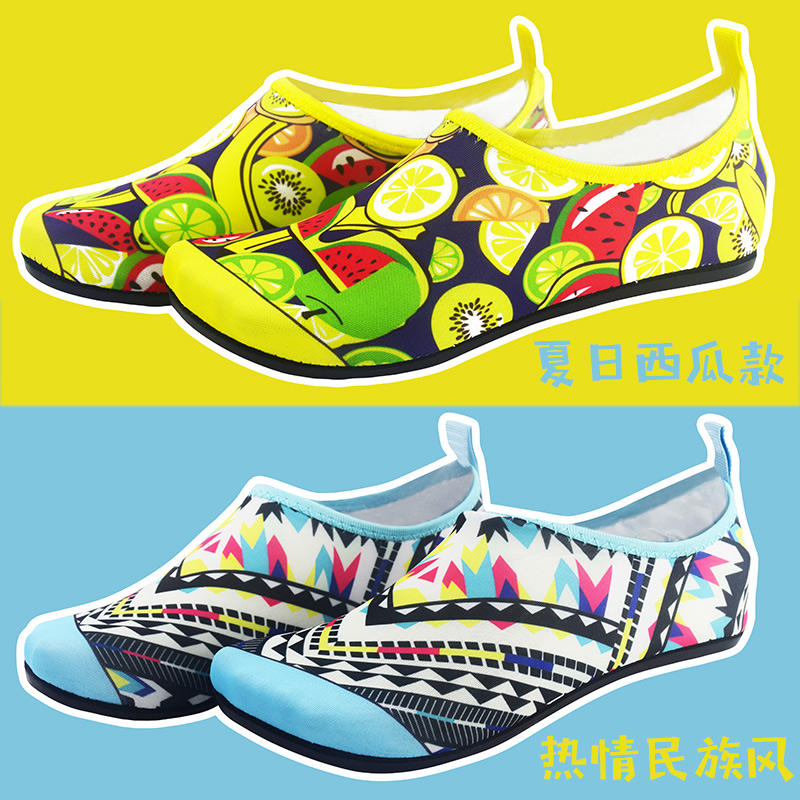
 Kids Water Shoes Quick Dry Non Slip Barefoot Aqua Socks Boys Girls Colorful Print Beach Swimming Shoes for Pool Surf Walking
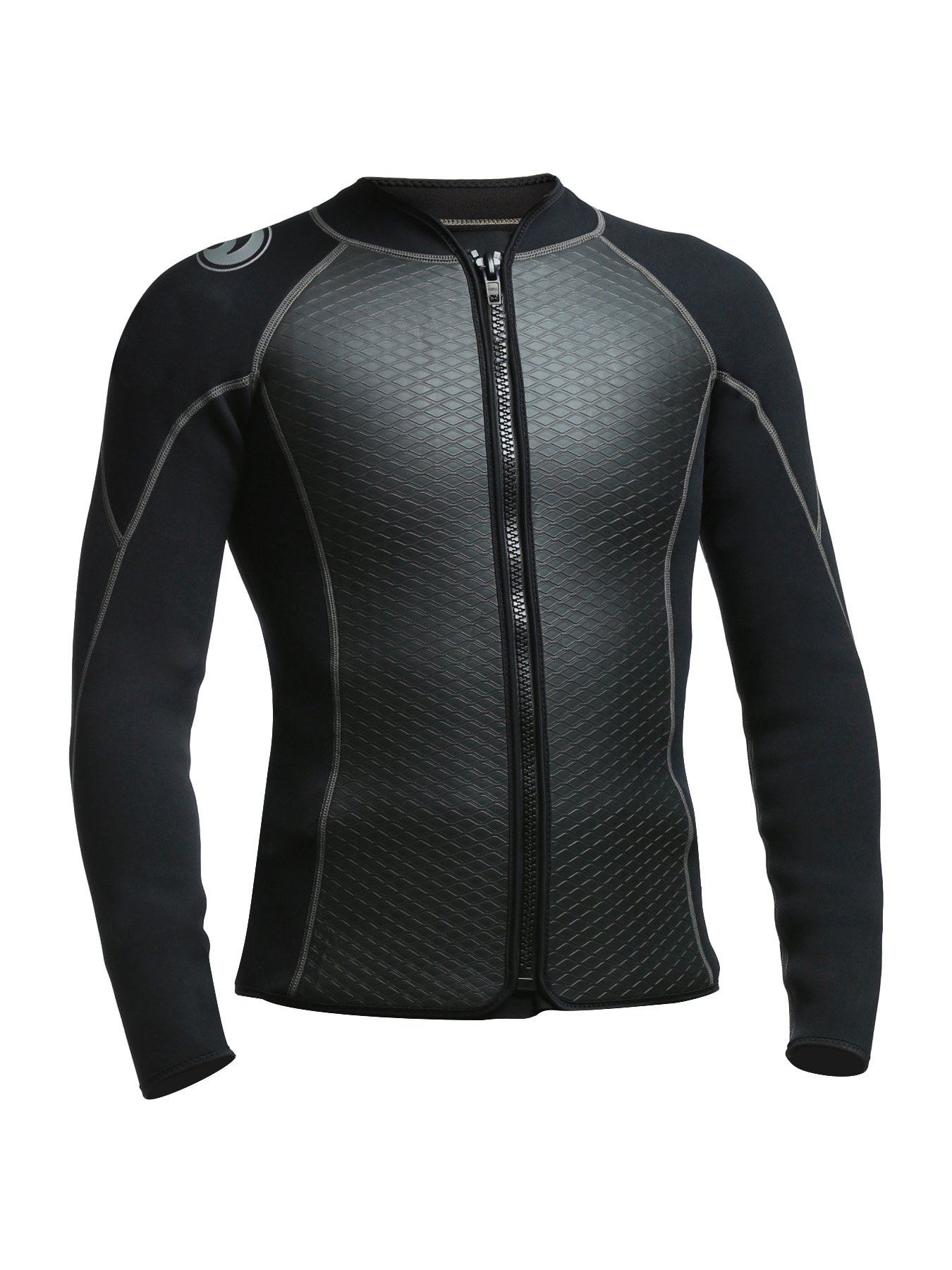
 HISEA Men Front Zip Wetsuit Top 3mm Neoprene Long Sleeve Diving Jacket Thermal Stretch Swim Shirt for Surfing Snorkeling Kayaking
 Women Men Full Wetsuit 3mm Neoprene Long Sleeve One Piece Diving Suit Thermal Stretch Scuba Snorkeling Surfing Wetsuit
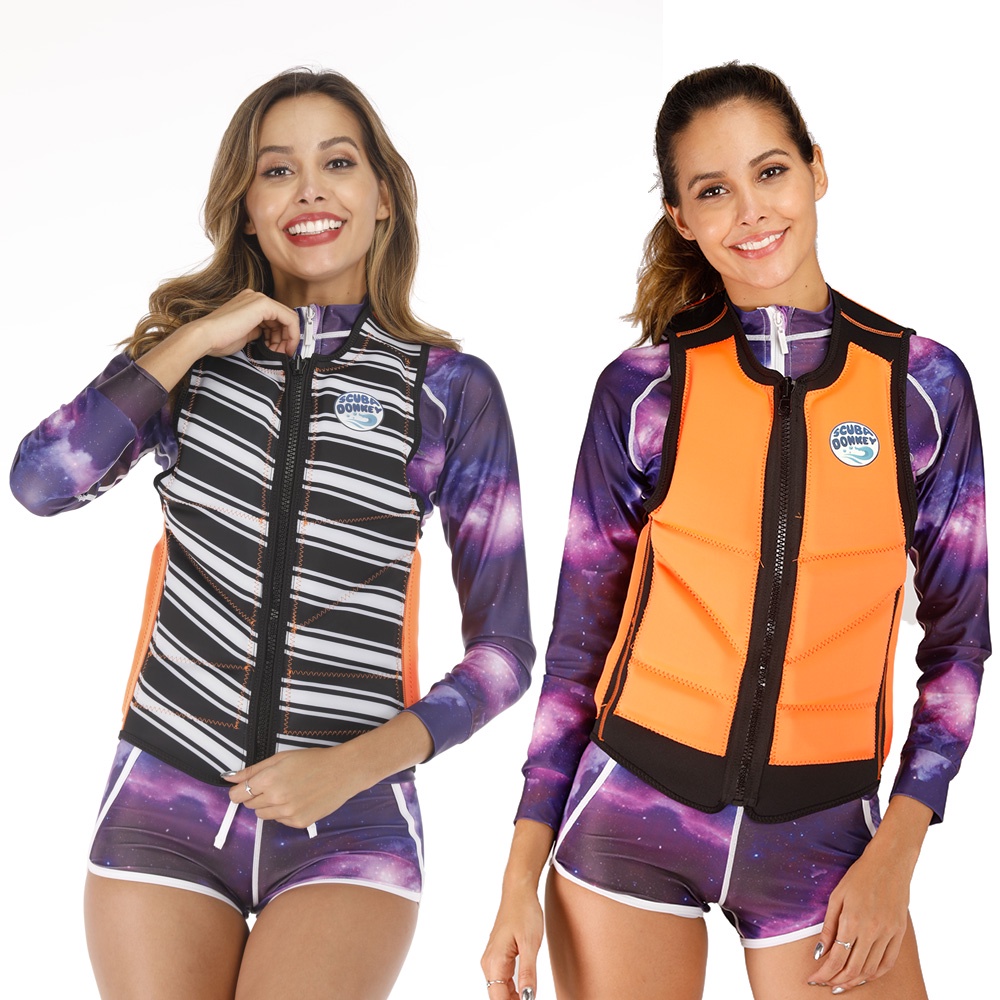
 wo-Side Wear Neoprene Life Jacket Adult Reversible Swim Vest for Wakeboarding Kayaking
 Baby Neck Float Life Jacket Toddler Swimming Float Vest for Pool Beach
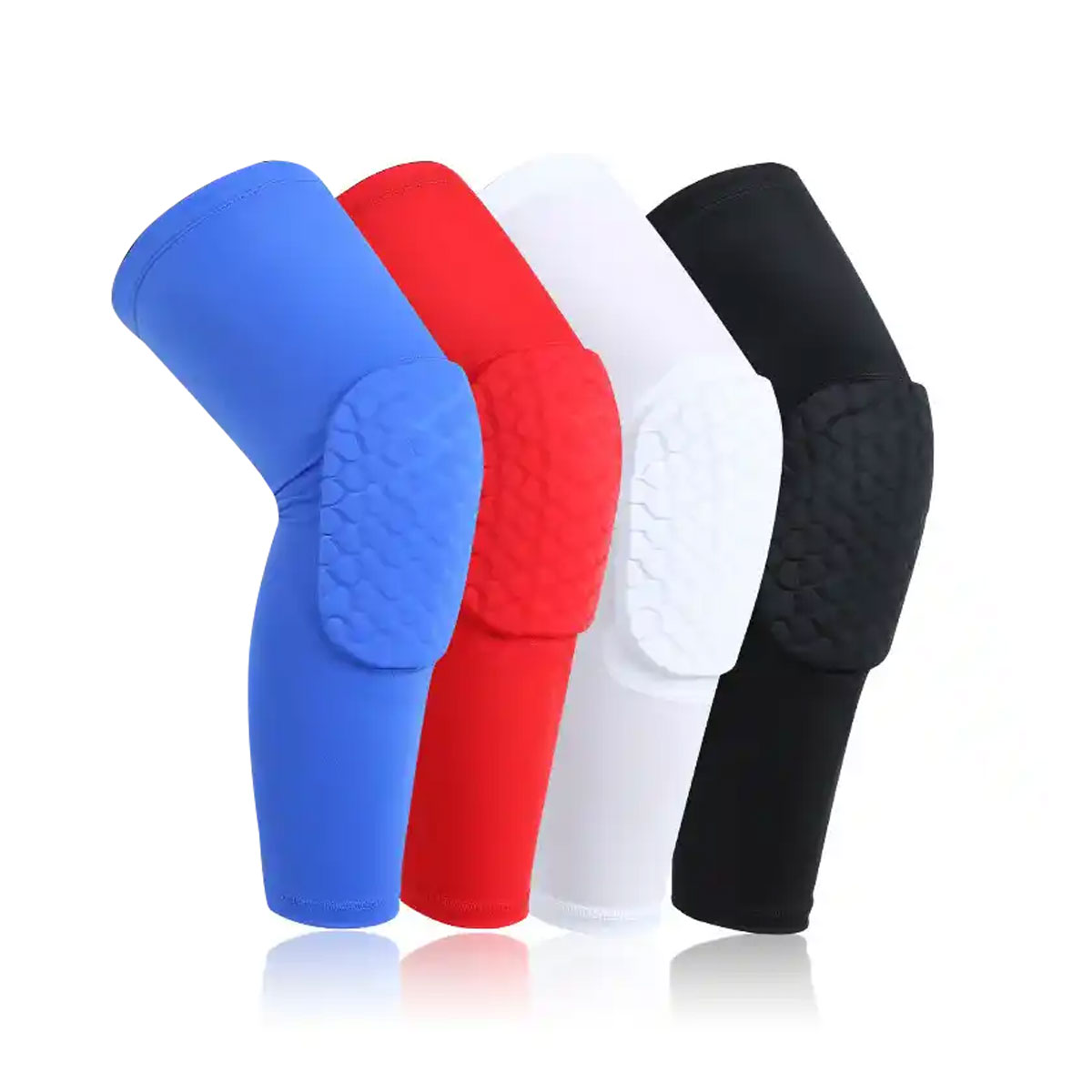
 Basketball Knee Pads, Honeycomb Shock Absorbing Anti-Collision Knee Compression Sleeves for Football Volleyball Sports
 Unisex Kids Full Body Neoprene Wetsuit, Long Sleeve Thermal One Piece Diving Suit for Boys Girls Snorkeling Surfing Swimming
 Women Full Body Neoprene Wetsuit, Long Sleeve One Piece Thermal Diving Suit for Snorkeling Surfing Freediving Water Sports
 One Piece Full Body Thermal Wetsuit for Adult Men, Stretch Neoprene Long Sleeve Swim Diving Suit for Surf Snorkel Freediving
 Reversible Adult Neoprene Life Jacket, Double Sided Wear Front Zip Buoyancy Flotation Vest for Surfing Wakeboarding Kayaking Boating Water Sports
Thank you very much for writing to us. Please leave your message and contact information, we will reply to you within 24 hours.